

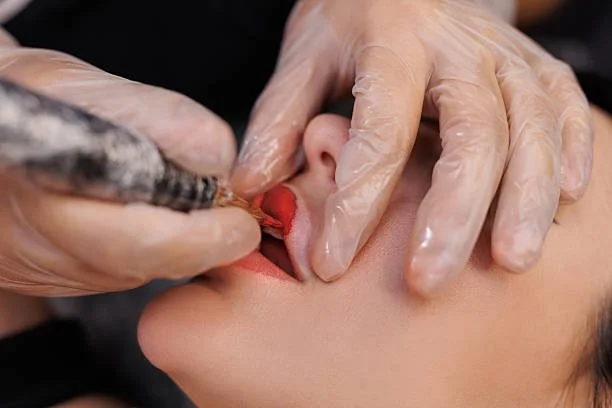
Choosing a lip blush shade involves more than picking a colour you like. Your natural lip colour, skin undertone, preferred make-up style and the level of definition you want all influence the final result. A shade that looks subtle on one person may appear brighter or warmer on another, so choosing the right pigment requires careful consideration.
Finding the Best Lip Tattoo in Perth starts with understanding how cosmetic lip tattooing works and which shades may complement your features. Lip blush adds a wash of colour to the lips, helps define their shape and can create a more even-looking tone. Knowing what to expect before your appointment can help you choose a shade that suits your natural colouring and personal style.
What Is Lip Blush and How Does It Work?
Lip blush is a form of cosmetic tattooing that deposits pigment into the lips to create a soft tint. Unlike traditional lipstick, which sits on the surface, this treatment places pigment into the skin. The aim is to create a longer-lasting colour effect that gives the lips a more defined appearance without requiring a full make-up look.
The final result depends on the pigment, your natural lip colour, the technique used and how your skin heals. The colour may look stronger immediately after treatment before softening as your lips recover.
Lip Blush Compared With Lipstick
Lipstick provides temporary colour that can be changed throughout the day. Lip blush offers a longer-lasting tint, although the pigment gradually fades and may require maintenance.
Cosmetic lip tattooing does not replace every lipstick shade or guarantee the same colour on everyone. The treatment works with your natural lip pigmentation, so the healed result may differ from the pigment selected during your consultation.
How to Choose a Lip Blush Shade That Suits You
The right shade should complement your natural colouring and match the appearance you want to achieve. Some people prefer a barely noticeable tint, while others want more visible colour and definition. Discussing these preferences with your artist helps narrow down suitable pigment options.
Your natural lip colour is particularly important because it influences how the pigment appears after healing. Your artist should assess your lips in natural light and explain which shades are likely to produce your preferred finish.
Consider Your Skin Undertone
Skin undertones are generally described as warm, cool or neutral. Warm undertones may complement peachy or coral shades, while cool undertones can suit pink or berry-based colours. Neutral undertones may offer more flexibility.
These are general guidelines rather than strict rules. Your natural lip pigmentation can influence the final colour more directly than your skin undertone alone. A consultation allows your artist to consider both before recommending a shade.
Match the Colour to Your Everyday Look
Your usual make-up routine can help guide your colour choice. A muted pink or soft nude may suit someone who prefers minimal make-up, while a rose or berry tint may provide more visible definition.
Think about whether you want your lips to look naturally flushed, slightly warmer or more defined around the edges. Avoid choosing a shade based only on photographs, as lighting, filters and existing lip pigmentation can affect how a colour appears.
Popular Lip Tattoo Colours and Their Finish
Different pigment families create different effects. The most suitable option depends on your natural lip colour, preferred intensity and how the pigment is expected to heal.
These descriptions are general, as pigment names can vary between brands. Ask to see suitable colour options and discuss the expected healed result before making your decision.
Why Your Natural Lip Colour Matters
Your lips have their own underlying pigmentation, which affects how cosmetic tattoo pigment appears. Two people receiving the same pigment may achieve different healed results. Natural darkness, uneven tone and variations between the upper and lower lips can all influence colour selection.
A consultation should include an assessment of your natural lip colour. Your artist can explain whether your preferred shade is realistic and whether a gradual approach may be more suitable than aiming for a strong colour change in one session.
Addressing Uneven Lip Colour
Some people naturally have differences in colour across their lips. Cosmetic lip tattooing may help create a more even-looking appearance, but the outcome depends on the underlying pigmentation and the technique used.
Your artist should explain the limitations of pigment correction and avoid promising complete coverage or an exact colour match. Depending on your natural lip colour, more than one session may be recommended to build the shade gradually.
Choosing the Right Pigment Intensity
Pigment intensity affects how noticeable the result appears after healing. A softer application may suit people who want a subtle tint, while a stronger application can provide more visible definition.
The initial colour often appears more intense than the healed result. Discuss this difference before treatment so you can set realistic expectations rather than judging the shade by its immediate appearance.
What to Expect From Lip Blush Tattooing in Perth
Before booking a lip blush tattoo in perth, arrange a consultation to discuss your colour preferences, natural lip pigmentation and treatment suitability. Ask about your artist's experience, hygiene practices, pigment selection, aftercare and the possibility of a follow-up appointment.
Your artist should explain the procedure, expected discomfort, healing stages and risks associated with cosmetic tattooing. Mention any allergies, a history of cold sores, previous lip treatments and relevant medical conditions or medications. This information helps your practitioner assess your suitability and discuss any precautions before proceeding.
The Lip Blush Healing Process
Freshly tattooed lips can look brighter, darker or more defined than the final healed result. Some swelling, tenderness and dryness may occur after treatment. The colour can also appear uneven as the skin heals, so the early appearance is not a reliable guide to the finished result.
Follow the aftercare instructions provided by your practitioner. Avoid picking peeling skin and use only the products recommended for your recovery. Your artist can advise when to resume your usual skincare routine and other activities.
Healing times vary from person to person. Seek medical advice if you develop worsening pain, spreading redness, unusual discharge or other signs of infection.
Preparing for Your Lip Tattoo Appointment
Preparation helps you understand the treatment and make an informed decision. Follow your practitioner's pre-treatment instructions and ask about any medicines or supplements that may affect bleeding or healing. Do not stop prescribed medication without advice from your healthcare professional.
If you have a history of cold sores, tell your practitioner before booking. Lip tattooing can trigger an outbreak in people who are susceptible. Your healthcare professional may recommend preventive treatment, so discuss this before your appointment.
Ask whether your preferred result may require more than one session. Pigment retention varies between individuals, and a follow-up appointment may be recommended to refine the colour after your lips have healed.
Choosing a Shade That Suits You
The right lip blush shade should complement your natural lip colour rather than simply follow a trend. Take time to discuss your preferred finish, understand the limits of pigment correction and learn how healing can affect the final result. A consultation with an experienced cosmetic tattoo artist can help you make an informed choice and set realistic expectations for your healed lips.
Frequently Asked Questions
-
Start with your natural lip pigmentation, skin undertone and preferred finish. Ask your artist to explain suitable shades and how they may heal on your lips. A colour consultation is more reliable than choosing a pigment from a photograph alone.
-
Lip blush can create a soft, natural-looking tint when the shade and application suit your features. Results vary according to your existing lip colour, skin response and chosen pigment. Freshly treated lips usually appear more intense than the healed result.
-
Lip blush gradually fades over time. Its longevity depends on the pigment, technique, skin characteristics, sun exposure and individual healing. Your practitioner can explain likely maintenance needs without guaranteeing a fixed duration.
-
Discomfort varies between individuals. Your practitioner should explain what to expect and discuss suitable options for managing discomfort. Some swelling, tenderness and dryness can occur during recovery, so following the recommended aftercare is important.
-
Visit AE Studio to learn more about the studio and its services. You can discuss suitable lip blush shades, treatment suitability, expected healing and your preferred result during a consultation.