

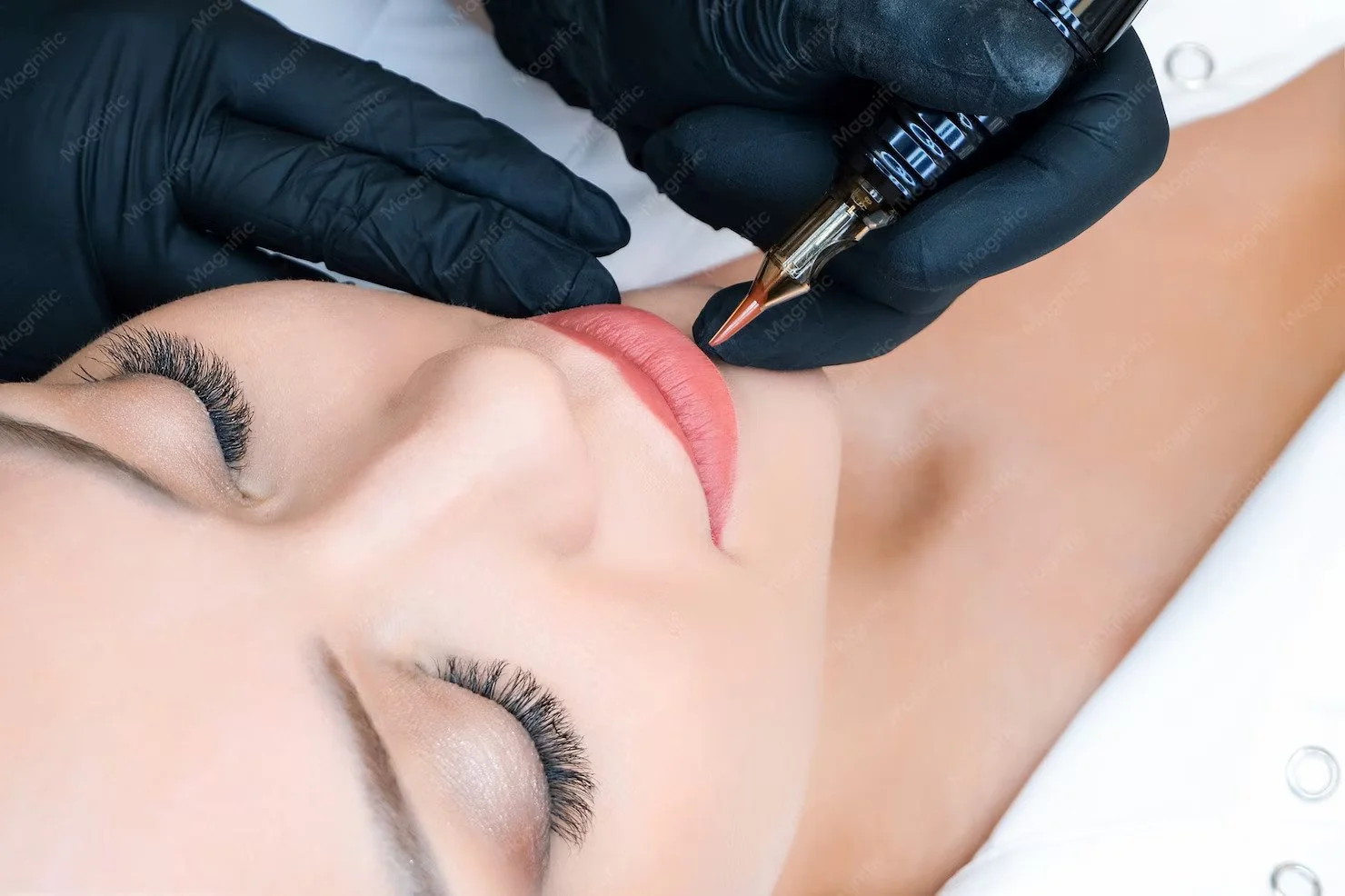
“Will it last” is the question almost everyone asks before booking PMU lips. And it matters more in 2026 because lip blush techniques, pigments, and aftercare protocols have evolved quickly, while trend cycles (soft blur lips, “your-lips-but-better”) are moving faster than ever. If you are wondering lip tattoo how long does it last, the evidence and real-world outcomes are consistent: most cosmetic lip tattoo results are designed to be semi-permanent, with noticeable softening over time.
In this guide, you will learn realistic longevity ranges, what makes lip tattoo fading faster or slower, how touch up schedules work, what it costs in 2026, and how to protect your investment with the right prep and aftercare. You will also get a practical checklist for your consultation so you can walk into your appointment confident and informed.
What “lip tattoo” means in 2026 (and why it is not truly permanent)
In most studios today, “lip tattoo” refers to cosmetic lip tattoo techniques like lip blush, aquarelle lips, or neutralisation. These are forms of semi permanent lip colourwhere pigment is implanted more superficially than traditional body tattoos. That shallower placement is intentional: it creates a softer, more natural finish and allows gradual fading.
PMU lips vs traditional tattooing
Traditional tattoos use different inks and are typically deposited deeper in the dermis, which is why they can look sharper and last longer. PMU lips uses cosmetic pigments designed to fade more gracefully, but lips are also a challenging area because the tissue is vascular, mobile, and frequently exposed to food, skincare actives, and UV.
Why “permanent” is a marketing shortcut
Even when a pigment is labelled “permanent,” permanent lip tattoo longevity is affected by biology (skin regeneration, immune response), lifestyle (sun exposure, smoking), and the technician’s depth and technique. The goal in 2026 is typically a flattering stain that can be refreshed, not a forever saturated outline.
So, lip tattoo lasts how long? Realistic longevity ranges
Most clients see their best lip blush results after the initial healing plus a perfecting session. From there, gradual fading is normal. In clinical and regulatory contexts, permanent makeup is consistently described as long-lasting but not permanent. For example, the U.S. FDA notes that permanent makeup uses pigments and involves injection into the skin, and outcomes can vary with time and require maintenance (U.S. FDA, 2024).
Typical timeframes you can plan around
While every client heals differently, these timelines provide a realistic expectation for how long cosmetic lip tattoos typically remain visible with proper aftercare.
Treatment stage
What to expect
Initial healing
Around 7 to 14 days for visible healing, with colour continuing to settle over the following weeks.
Perfecting touch up
Usually performed 6 to 10 weeks after the first appointment to improve colour retention and symmetry.
Noticeable colour retention
Most lip blush treatments remain vibrant for approximately 18 to 36 months, depending on skin type, lifestyle, and pigment choice.
Maintenance refresh
Many clients choose a colour refresh every 12 to 24 months to maintain a fresh, even appearance before significant fading occurs.
Rather than waiting until the pigment has almost disappeared, many experienced artists recommend refreshing the colour while some pigment is still present, helping maintain a softer and more natural result.
Longevity by outcome goal
Soft, barely-there blush effects generally fade faster than more saturated, lipstick-style builds because artists intentionally use lighter density and smaller pigment loads. If your goal is “no lipstick needed,” you should expect more frequent maintenance than someone aiming for a sheer tint.
What makes lip tattoo fading faster (or slower)? The biggest factors
Lip tattoo fading is not a failure. It is the expected trajectory of cosmetic pigment in living tissue. However, certain variables strongly influence how quickly that fade happens.
Biology and health factors
Every person's skin heals and retains pigment differently. Your body's natural regeneration process plays a major role in determining how long your lip tattoo remains vibrant.
Key biological factors include:
Skin regeneration speed and individual immune response.
Natural lip tone and undertones before treatment.
Age-related changes in collagen production and skin turnover.
Hormonal fluctuations that may influence healing.
Certain medications or medical conditions that affect skin repair.
These factors cannot be controlled, but an experienced artist can adjust technique and pigment selection to suit your natural lip characteristics.
Lifestyle and environment factors
Daily habits often have the biggest influence on how quickly lip blush softens over time. Protecting your lips after healing helps preserve colour and reduce premature fading.
Common lifestyle factors include:
Frequent sun exposure without SPF lip protection.
Smoking or vaping, which can contribute to dryness and affect skin quality.
Regular use of exfoliating lip scrubs, acids, or retinoid-based skincare around the lips.
Dehydration, which can leave lips dry and less healthy-looking.
Poor aftercare during the initial healing period, including picking flakes or skipping recommended care.
Although fading is a normal part of cosmetic lip tattooing, consistent aftercare and healthy daily habits can significantly extend the life of your results before a refresh appointment is needed.
Technique, pigment, and aftercare
Artist skill is a major predictor of stable results: correct depth, consistent passes, and pigment selection for undertone are essential. Post-care is equally critical because too much swelling, scabbing, or picking can pull pigment out during healing. Notably, the Permanent Cosmetic Information Council reports that about 80% of the final result depends on aftercare (PCIC, 2023), which aligns with what most senior artists see in practice.
Longevity benchmarks and maintenance planning (with a comparison table)
If you are trying to plan time off work, budget for maintenance, or schedule around events, it helps to view lip blush like hair colour: it looks best when refreshed on a sensible cycle. Also, demand for PMU remains strong. A recent consumer survey found that about 31% of U.S. consumers are interested in cosmetic tattoo services, with convenience and time-saving as key motivators (Fresha Beauty & Wellness Consumer Trends, 2025).
Service type
Best for
Typical visible longevity
Common maintenance cadence
Lip blush (sheer)
Natural tint, soft blur
12 to 24 months
Touch up at 6 to 10 weeks, then refresh every 12 to 24 months
Lip blush (medium build)
More definition and colour
18 to 36 months
Touch up at 6 to 10 weeks, then refresh every 18 to 30 months
Neutralisation (corrective)
Cool or dark undertones
Often staged in sessions
2 to 3 sessions may be needed, then refresh every 12 to 24 months
Lip line and blend
Border definition with gradient
18 to 36 months
Touch up at 6 to 10 weeks, then refresh every 18 to 36 months
Practical benchmark: if you want your lips to look consistently “done” year-round, plan for a refresh roughly every 18 to 24 months and protect colour with daily SPF.
What to expect: healing timeline, colour shifts, and touch ups
The number one reason clients feel anxious is that early healing rarely looks like the final outcome. Swelling, dryness, and temporary unevenness can make the first 10 days feel like a roller coaster. A structured timeline helps you judge the result at the right moment.
Typical healing stages
Healing is gradual, and colour changes throughout the process are completely normal. The lips often appear brighter immediately after treatment before softening into their final shade over the following weeks.
Healing stage
What you can expect
Days 1–3
Lips may feel swollen, tender, and appear much brighter or darker than the intended healed colour.
Days 3–7
Dryness and light flaking begin as the outer layer of skin naturally sheds. Avoid picking or peeling.
Days 7–14
Most visible flaking has finished, but the colour often appears much lighter than expected. This temporary fading is a normal part of healing.
Weeks 3–6
Pigment gradually resurfaces as the skin completes its repair cycle, revealing a softer, more even result.
Weeks 6–10
The lips are considered fully healed, allowing your artist to assess colour retention and complete the recommended perfecting touch-up if needed.
Remember that everyone's healing journey is different. Factors such as skin type, immune response, aftercare, and lifestyle can influence how quickly colour settles. Avoid judging your final result during the first two weeks, as the healed colour only becomes apparent once the lips have fully regenerated.
Why a touch up is part of the process
A touch up is not an upsell, it is quality control. It allows the artist to even out areas where pigment retained lightly, refine edges, and adjust warmth or saturation. In practice, most reputable studios include or strongly recommend one perfecting session for optimal long-term symmetry and colour balance.
2026 trends and recent changes shaping lip blush longevity
In June 2026, three trends are influencing outcomes and expectations: improved pigment stability, more conservative design, and stronger pre-screening protocols for safety and retention.
Trend 1: pigment tech and compliance focus
Globally, pigment regulation and safety scrutiny has pushed brands toward clearer ingredient documentation and batch tracking. This has made artist selection and informed consent more rigorous. The U.S. FDA continues to publish safety guidance and adverse event reporting information for tattoo inks and permanent makeup pigments (U.S. FDA, 2024), which is one reason high-standard studios now keep more detailed pigment records and client histories.
Trend 2: “blurred” borders over hard outlines
Natural-looking gradients reduce the risk of obvious colour mismatch as pigment fades. This means results can remain flattering even when they soften, which effectively improves “wearability” over time even if pigment density decreases.
Trend 3: pre-appointment barrier repair and herpes prophylaxis planning
Top studios increasingly treat the appointment like a procedure: barrier support, hydration plans, and proactive cold sore management. The World Health Organisation estimates that around 3.7 billion people under 50 live with HSV-1 globally (WHO, 2024), and lip procedures can trigger outbreaks in susceptible clients. Better screening and prevention helps healing stay smooth, which directly supports retention.
Common mistakes to avoid (and pro tips for longer-lasting results)
Most disappointing outcomes trace back to preventable prep and aftercare errors, or mismatched expectations. Use the list below to protect your result and reduce the chance of uneven fading.
Mistakes that shorten longevity
Even the highest-quality lip blush treatment can fade sooner if healing instructions are not followed or daily habits accelerate pigment breakdown.
Common mistakes include:
Picking or peeling flaking skin during healing.
Skipping the recommended perfecting touch-up appointment.
Excessive sun exposure without using an SPF lip balm.
Using exfoliating lip scrubs, acids, or retinoids too soon after treatment.
Smoking or frequently licking dry lips, which can affect skin condition.
Pro tips that experienced artists recommend
Long-lasting results are usually the product of consistent care rather than frequent intervention. Small daily habits can make a noticeable difference to colour retention.
Professional recommendations include:
Keep your lips hydrated with the aftercare products recommended by your artist.
Apply a lip balm with SPF once healing is complete to minimise UV-related fading.
Attend your scheduled perfecting session to improve colour consistency and symmetry.
Stay well hydrated and maintain healthy lips throughout the year.
Book a maintenance refresh before the colour has faded significantly for the most natural-looking results.
Follow your artist's pre-care and aftercare instructions carefully, as these are tailored to your treatment technique and skin type.
Book smart: consultation checklist before you commit
Your best longevity lever is choosing the right provider and plan. A high-quality consultation should cover your goals, undertone, medical history, and a realistic maintenance schedule. If you want a professional review of your suitability and shade direction, visit AE Studio and request a lip blush consultation so you can discuss expectations, healing, and long-term maintenance in detail.
Bring these questions to your appointment
A consultation is your opportunity to understand the treatment, set realistic expectations, and ensure the service matches your goals. Consider asking:
Which lip blush technique is best suited to my natural lip colour and desired result?
Will I need colour neutralisation before my lip blush treatment?
How many sessions, including the perfecting touch-up, should I expect?
What should I do before my appointment to achieve the best pigment retention?
How should I care for my lips during healing, and which products should I avoid?
How long is my result likely to last based on my skin type and lifestyle?
When should I schedule future maintenance appointments?
What is included in the treatment price, and what additional costs may apply for future touch-ups?
A thorough consultation helps create a personalised treatment plan, giving you realistic expectations about colour, healing, longevity, and ongoing maintenance before you commit to the procedure
Lip tattoo cost in 2026: what you are really paying for
Lip tattoo cost varies widely by location, artist seniority, and whether your case is straightforward or corrective. In Australia and many comparable markets, it is common to see lip blush pricing cluster around mid-hundreds to low-thousands, especially when a touch up is included. A realistic way to evaluate cost is to compare it to the time and product spend it replaces.
Cost drivers (and when “cheap” gets expensive)
One helpful benchmark for value: if your results stay visible for 24 months and the service replaces even two premium lip products per year, many clients view the cost as a convenience investment rather than a splurge. For broader context, consumer data shows beauty services remain resilient: global beauty and personal care continued to grow through 2025, with ongoing premiumisation trends (Euromonitor International, 2025).
How to maintain lip blush between refreshes
Maintenance is simple, but consistency matters. If you want the colour to age evenly and avoid sudden tone shifts, adopt a “protect and preserve” approach rather than trying to scrub or brighten the lips with actives.
For a personalised lip blush maintenance plan based on your lifestyle and skincare routine, visit AE Studio and check the pre and post care guidance before your appointment. This helps you avoid product conflicts and schedule your touch ups at the right time.
Maintenance basics that make the biggest difference
Keeping your lip blush looking fresh does not require a complicated routine. Consistent daily care helps preserve colour, maintain healthy lips, and extend the time between refresh appointments.
Apply a lip balm with SPF every day to help protect pigment from UV exposure.
Keep your lips hydrated to reduce dryness and maintain a smoother appearance.
Avoid frequent use of harsh lip scrubs or exfoliating products that can accelerate fading.
Be mindful when applying retinoids or acid-based skincare near the lip border.
Follow your artist's recommendations before scheduling chemical peels, laser treatments, or cosmetic procedures around the lips.
Book maintenance appointments before the colour has faded significantly to keep the result looking soft, even, and natural.
For a personalised lip blush maintenance plan based on your lifestyle and skincare routine, contact AE Studio and review the recommended pre-care and aftercare guidance. A tailored maintenance schedule helps preserve your colour while supporting healthy, long-lasting results.
What to do next
Lip blush is one of the most confidence-building, low-effort beauty upgrades when you plan it correctly and maintain it well. The most reliable outcomes come from realistic expectations, strong aftercare, and a refresh strategy aligned with your lifestyle.
If you are ready to move from research to a confident plan, visit AE Studio to explore lip blush options and schedule a consultation. Bring your current lip products, inspiration photos, and questions so your artist can recommend the most fade-friendly shade and maintenance timeline for you.
Frequently asked questions
-
Most clients keep visible colour for about 18 to 36 months, depending on pigment choice, technique, skin biology, and lifestyle. A touch up at 6 to 10 weeks is commonly needed to perfect the result and support longer wear.
-
Sheerer lip blush typically fades faster than more saturated builds, often closer to 12 to 24 months. The upside is that fading usually looks softer and more natural as it lightens.
-
It is best described as semi-permanent because it is designed to fade. The U.S. FDA notes that permanent makeup involves pigment injection and outcomes can vary over time (U.S. FDA, 2024), which is why maintenance and touch ups are standard.
-
Frequent UV exposure without SPF, smoking or vaping-related dryness, aggressive exfoliation, and skincare actives migrating onto the lips can all speed fading. Poor aftercare and picking during healing also reduce pigment retention.
-
Most artists schedule a perfecting session at 6 to 10 weeks after the first appointment. That window allows full healing so adjustments are made on stable skin, not inflamed tissue.
-
Yes, many clients can, but you should disclose your history and follow a prevention plan. HSV-1 is extremely common globally (WHO, 2024), and lip procedures can trigger outbreaks, so your provider may recommend coordinating prophylaxis with your clinician.
-
If your lips have significant cool, purple, or darker undertones, neutralisation may be recommended before adding your desired shade. A skilled artist will assess undertone, natural border, and healed goals during consultation and may plan multiple sessions.
-
Expect swelling and tenderness for the first few days, then dryness or flaking for up to around 10 days. Most people prefer to avoid major events for at least 2 weeks, and to allow 8 to 10 weeks for the final healed outcome and touch up.
-
Pricing varies by region, artist, and whether your case is corrective, but you should budget for a professional service plus a touch up. Ask whether the touch up is included, what the rebooking window is, and what fees apply for additional correction sessions.
-
They solve different problems: lip blush adds colour and definition, while filler changes volume and shape. If your priority is colour that reduces daily makeup time, lip blush may be the better fit; if volume is the goal, filler may be more appropriate, and some people combine both with careful scheduling.