

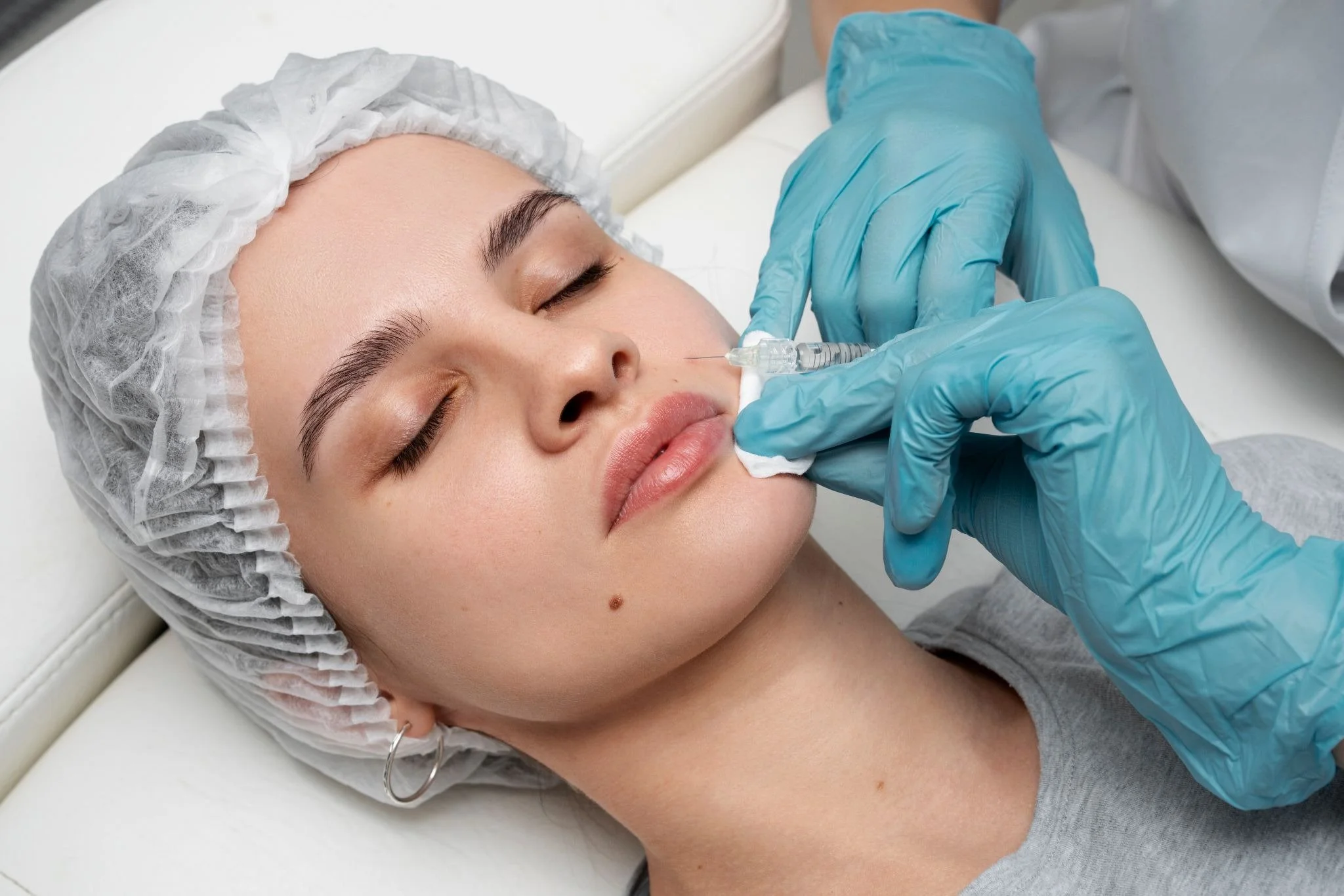
Permanent lip colour has become a popular cosmetic tattooing treatment for people looking for a low-maintenance way to enhance their natural lip colour and definition. If you are considering a lip tattoo Perth appointment for the first time, understanding the treatment process can help you make an informed decision before booking.
This guide explains what permanent lip colour involves, what to expect during your appointment, how the healing process works and what to consider when choosing a qualified practitioner. Whether you are already researching a lip blush tattoo Perth studio or are simply exploring your options, this guide covers some of the most common questions people have before their first treatment.
What Is Permanent Lip Colour?
Permanent lip colour, also known as lip blushing or lip tinting, is a semi-permanent cosmetic tattooing treatment. Pigment is carefully implanted into the upper layers of the skin on the lips to enhance colour, improve the appearance of uneven pigmentation and define the natural lip shape.
Unlike traditional body tattoos, cosmetic lip pigments are specifically formulated for facial treatments and gradually fade over time. Results commonly last between one and three years, although longevity can vary depending on factors such as skin type, lifestyle and aftercare.
People commonly choose permanent lip colour to:
Add natural-looking colour to pale or uneven lips
Improve the appearance of asymmetrical lips
Minimise the appearance of certain scars or discolouration
Reduce the need for daily lipstick application
Restore definition to lips that have become less defined over time
Because every person's natural lip pigmentation and skin type are different, the final colour can vary from one individual to another. This is why a detailed consultation is an important part of the treatment process.
How Is the Lip Colour Chosen?
During your consultation, the practitioner will generally assess your natural lip colour, undertone and skin type before recommending an appropriate pigment shade. Some studios may also provide a colour consultation or trial to help you understand how the selected shade may look.
Factors that can influence colour selection include:
Your natural lip pigmentation
Whether you prefer a subtle tint or a more noticeable colour
Your skin undertone and how it may affect pigment as it heals
Existing scarring, pigmentation or uneven areas that may need attention
The aim is generally to create a colour that complements your natural features while achieving the level of definition you are looking for.
What Happens During a Permanent Lip Colour Appointment?
Knowing what to expect during your appointment can make the experience more comfortable, particularly if this is your first cosmetic tattooing treatment.
A typical appointment may include:
An initial consultation to discuss your preferred shape, colour and treatment goals
Mapping and outlining the lips to help create balanced and symmetrical results
Applying a topical numbing cream and allowing sufficient time for it to take effect
Applying the pigment gradually across the lips
Checking the colour during the treatment and adding pigment where required
Completing a final assessment once the treatment is finished
Appointments generally take around one and a half to two hours, including preparation and numbing time. A follow-up appointment is commonly scheduled around six to eight weeks later. This allows the lips to heal fully before the practitioner assesses whether any colour refinement or additional pigment is required.
How Long Does Lip Tattoo Healing Take?
Healing after a lip tattoo generally follows several stages. However, the exact healing time can differ depending on your skin, aftercare routine and individual response to the treatment.
Healing Stage
Timeframe
What to Expect
Immediately after treatment
Day 0
Swelling, stronger colour intensity and mild tenderness
Early healing
Days 1 to 3
Continued swelling and colour that may appear bold or uneven
Peeling stage
Days 4 to 7
Light flaking or peeling as the outer layer of skin renews
Colour settling
Weeks 2 to 3
Colour begins to soften and appear more natural
Final result
Weeks 4 to 6
True colour becomes clearer and the result can be assessed
Touch-up session
Weeks 6 to 8
Colour or shape can be refined if required
These timeframes are a general guide only. Healing can vary depending on factors such as skin type, aftercare and how your body responds to the pigment.
Permanent Lip Colour Aftercare Guidelines
Following the recommended aftercare instructions is an important part of achieving good colour retention and supporting the healing process.
During the healing period, your practitioner may recommend that you:
Avoid direct water contact with the lips for the first few days
Apply the recommended aftercare balm as instructed
Avoid hot, spicy or acidic foods that may irritate the treated area
Avoid prolonged sun exposure and tanning while the lips are healing
Do not pick, peel or scratch any flaking skin
Avoid applying lip makeup until the area has completely healed
Following your aftercare instructions carefully can help minimise irritation and support more even pigment retention.
Who Is a Suitable Candidate for Lip Tattooing?
A consultation is important before undergoing permanent lip colour, as a practitioner needs to assess your individual circumstances and determine whether the treatment is suitable.
Suitable candidates generally:
Have realistic expectations about the colour, healing process and longevity
Do not have an active cold sore or lip infection at the time of treatment
Are not pregnant or breastfeeding, as many studios recommend postponing treatment during this period
Do not have known allergies to the pigments or products being used
Are prepared to follow the recommended aftercare instructions
Your practitioner should discuss your relevant medical and skin history during the consultation, as certain conditions or medications may affect whether the treatment can be performed safely.
How to Choose a Lip Tattoo Practitioner Near You
When searching for a lip tattoo near me, it can be tempting to choose a practitioner based solely on location or price. However, several other factors should be considered before making an appointment.
Before booking, look at:
The practitioner's training, qualifications and experience
Before and after photographs from previous clients
Hygiene practices, including the use of sterile and single-use equipment
Client reviews and testimonials
Whether a follow-up touch-up appointment is included in the treatment price
The consultation process and the information provided about aftercare
When researching a lip blush tattoo Perth practitioner, reviewing their qualifications, portfolio and hygiene practices can help you understand what to expect before making a booking.
Understanding the Cost of Permanent Lip Colour
The cost of permanent lip colour can vary between practitioners and studios. Factors such as practitioner experience, studio location, treatment requirements and whether a follow-up appointment is included can all affect the overall price.
When comparing prices, consider:
Whether the quoted price includes a touch-up appointment
The quality of pigments and equipment used
The practitioner's training and experience
Whether an initial consultation fee applies
What is included in the overall treatment package
An accurate quote will generally require a consultation, as factors such as your natural lip pigmentation, desired colour and the number of sessions required can influence the total cost.
Common Myths About Lip Tattooing
There are several misconceptions about permanent lip colour that can create unrealistic expectations.
Some common misconceptions include:
Permanent lip colour lasts forever, when the pigment actually fades gradually over time
The colour seen immediately after treatment is the final result, when it is usually more intense during the early healing stage
All lip tattoos look artificial, when treatment can be designed to create a softer and more natural-looking effect
Everyone is suitable for the treatment, when certain circumstances may mean treatment should be postponed or avoided
Understanding the treatment and its limitations before your consultation can help you develop realistic expectations about the potential result.
Is Permanent Lip Colour Right for You?
Deciding whether permanent lip colour is suitable for you involves considering the benefits as well as the time and care involved. Factors such as the appointment duration, healing period, aftercare requirements and need for a potential touch-up should all be considered before booking.
For people who want longer-lasting colour and improved lip definition, the convenience may be an important consideration. However, the right choice will depend on your individual preferences, skin type, expectations and suitability for the treatment.
If you are unsure whether permanent lip colour is appropriate for you, speaking with a qualified practitioner can help you understand the treatment based on your natural lip colour, skin type and desired outcome. You can also visit our contact page to ask questions or arrange a consultation.
Frequently Asked Questions
-
Permanent lip colour commonly lasts between one and three years. Longevity can vary depending on factors such as skin type, lifestyle, sun exposure and adherence to aftercare instructions.
-
A follow-up appointment around six to eight weeks after the initial treatment is commonly recommended. Once the lips have healed, the practitioner can assess the colour and make any necessary refinements.
-
Colour selection is generally based on your natural lip pigmentation, skin undertone and desired result. Your practitioner can recommend shades that complement your natural features and provide a suitable healed result.
-
No. The colour can appear significantly stronger immediately after treatment. It generally softens as the lips heal, with the final colour becoming clearer over the following weeks.
-
Not everyone is suitable for permanent lip colour at every stage. Active cold sores, certain allergies and some personal circumstances may require treatment to be postponed or avoided. A consultation is important to determine individual suitability.
-
Look for a practitioner with appropriate training and experience, a strong portfolio of healed results, positive client feedback and clear hygiene practices. A thorough consultation should also be available before treatment.
-
Your practitioner may provide specific preparation instructions before treatment. These can include recommendations regarding alcohol, caffeine and certain medications. If you take prescribed medication, speak with your healthcare professional before making any changes to your medication routine.